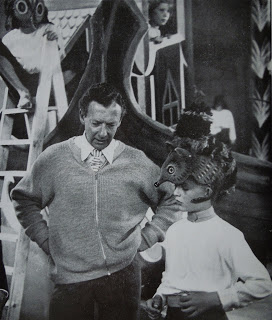
Benjamin Britten mette in musica il
cuculo almeno due volte, la prima a 19 anni. E' una composizione
brevissima, meno di due minuti, su testo di Jane Taylor. Una
composizione per bambini, ma Britten sapeva trarre piccole meraviglie
anche dai cori per i bambini. (qui)
Cucù, cucù, cosa fai tu?
« In aprile, faccio i miei
progetti;
in maggio, canto notte e giorno;
in giugno, cambio la mia canzone;
in luglio, volo via lontano;
in agosto devo essere via da qui.»
Cucù, cucù.
Cuckoo!
testo di Jane Taylor ,
da "Tom Tiddler's Ground"
Cuckoo, Cuckoo, what do
you do?
"In April I open my
bill;
In May I sing night and
day;
In June I change my tune
In July Far far I fly;
In August away I must."
Cuckoo, Cuckoo!
Benjamin Britten, da "Friday
afternoons op.7"
Il secondo cuculo di Benjamin Britten è
su testo dell'elisabettiano Edmund Spenser e fa parte della "Sinfonia
di primavera", l'opera 44 ("Spring Symphony op.44"):
"L'allegro cucù, messaggero della primavera..." (qui) Così
inizia, ma qui mi fermo con la traduzione perché il testo è pieno
di simboli e di immagini difficili da tradurre, al di là
dell'inglese elisabettiano. Un altro pezzo molto breve, due minuti
circa, che fa parte di una lunga e complessa cantata costruita sui
versi dei grandi poeti inglesi.
The merry cuckow, messenger of spring
His trompet shrill hath thrise already
sounded:
that warnes al louers wayt upon their
king,
who now is comming forth with girland
crouned.
With noyse whereof the quyre of Byrds resounded
their anthemes sweet devized of loves
prayse,
that all the woods theyr ecchoes back
rebounded,
as if they knew the meaning of their
layes.
But mongst them all, which did Loves honor rayse,
no word was heard of her that most it
ought,
but she his precept proudly disobayes,
and doth his ydle message set at
nought.
Therefore O love, unlesse she turne to thee
ere Cuckow end, let her a rebell be.
(Edmund Spenser)
(Peter Pears, Kathleen Ferrier, Benjamin Britten)